
High-end audio mixing consoles are the backbone of any professional recording studio, bridging the gap between raw sound and polished audio masterpieces. These consoles are intricate machines, meticulously designed and crafted to offer unparalleled control over the sound mixing process. But what exactly makes them so unique and vital in the world of audio production?
At the heart of these consoles lies their expansive range of channels and inputs. A typical high-end console might provide anywhere from 24 to over 100 channels, each one dedicated to a different audio source. This level of support allows sound engineers to work with a vast array of instruments and vocals simultaneously, maintaining clarity and precision. Each channel comes with its own set of controls, including equalization, panning, and effects sends, offering limitless possibilities for sound shaping.
Analog vs. Digital is a debate that continues to dominate discussions around audio mixing consoles. While analog consoles are celebrated for their rich, warm tones, digital consoles provide more flexibility and versatility. They offer advanced features like onboard digital signal processing (DSP), automation, and recall settings, which are indispensable in modern music production. Yet, purists argue there’s a tactile satisfaction and unique character inherent to analog desks that digital counterparts struggle to replicate.
Modern high-end consoles often come equipped with state-of-the-art automation systems, essential for handling complex productions. Automation allows engineers to program changes in volume, effects, and other parameters over the course of a track, making it possible to execute precise adjustments during mixing. This feature is particularly valuable when working with dynamic genres like film scores or live concert recordings, where the audio landscape is constantly shifting.
Connectivity is another cornerstone of high-end audio mixing consoles. With various I/O options, these consoles can integrate seamlessly into any studio environment, interfacing with both analog and digital equipment. Many consoles now support networked audio protocols, facilitating efficient data transfer and allowing for remote operation from other devices.
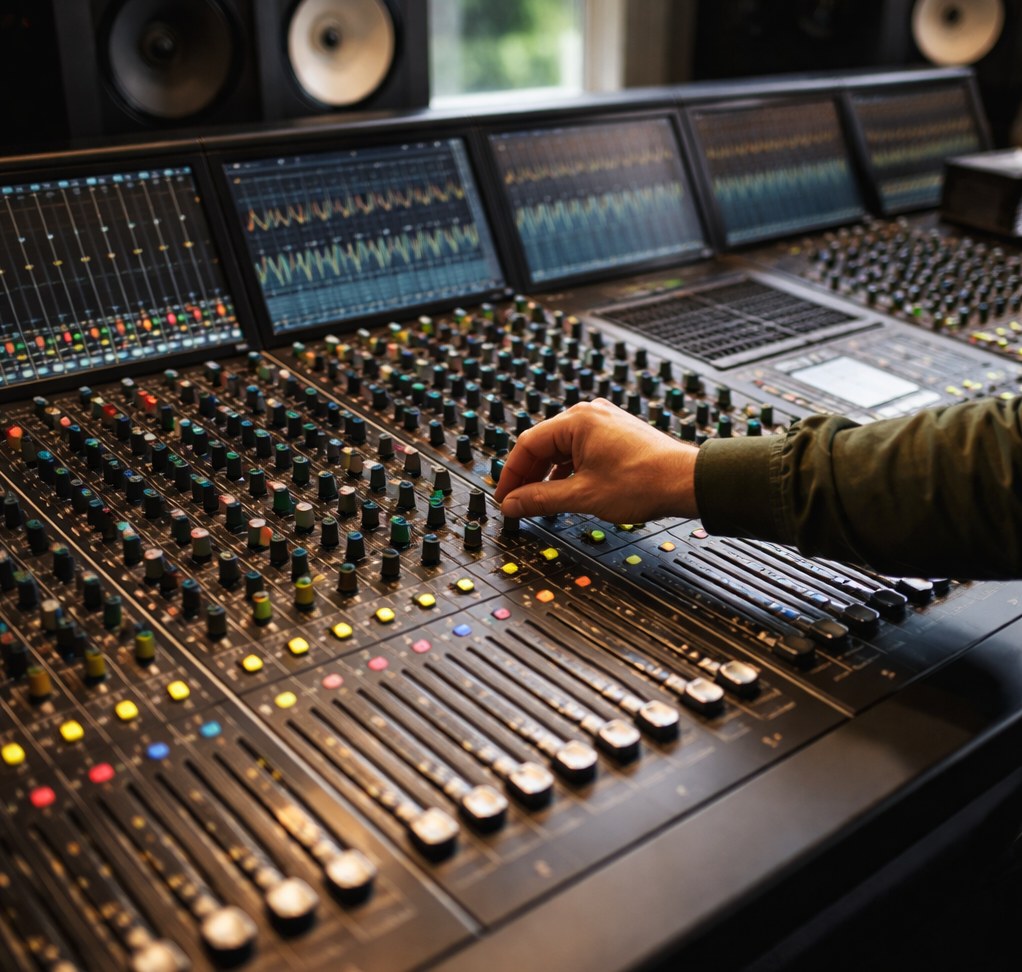
While traditional designs focused heavily on physical faders and knobs, many modern consoles incorporate touchscreen interfaces for an intuitive user experience. This hybrid approach gives sound engineers the best of both worlds, maintaining the tactile feel of a classic console while embracing the flexibility of digital technology. Touchscreens can display visual representations of audio waveforms and allow for gesture-based control, speeding up workflows and enhancing precision.
Another crucial aspect is built-in processing power. High-end consoles often feature robust internal processors to handle demanding tasks like real-time effects processing and digital signal routing. This capability minimizes latency, ensuring that the sound engineer hears the most accurate representation of the live audio at any given moment. Efficient processing is vital for tasks such as live sound mixing, where the margin for error is virtually nonexistent.
Customization and expandability are hallmarks of superior audio mixing consoles. Manufacturers design these systems with modularity in mind, enabling studios to upgrade components, expand channel counts, or integrate new technologies as needed. This flexibility ensures that a console can grow alongside a studio’s evolving needs, preserving its relevance and functionality for years to come.
Finally, the role of the sound engineer cannot be underestimated. Even with the most sophisticated equipment, the art of mixing remains deeply personal and subjective. A console serves as an extension of the engineer’s creativity, enabling them to translate artistic vision into auditory reality. Each fader, knob, and switch is a tool at their disposal, facilitating the meticulous crafting of soundscapes that captivate and inspire.
In examining these consoles, one becomes acutely aware of their dual nature — as tools of technical precision and vessels of creative expression. In the world of audio production, they stand as silent witnesses to the marriage of technology and art, guiding countless artists towards sonic perfection.